With the continuous upgrading of global consumer aesthetics and functional demand, the footwear industry has entered a new stage driven by product innovation and fashion iteration, replacing the traditional extensive manufacturing competition mode. In 2024-2025, product differentiation, material optimization and fashion customization have become the three core trends leading the industry upgrade, bringing new development opportunities for medium and small-sized export-oriented footwear enterprises.
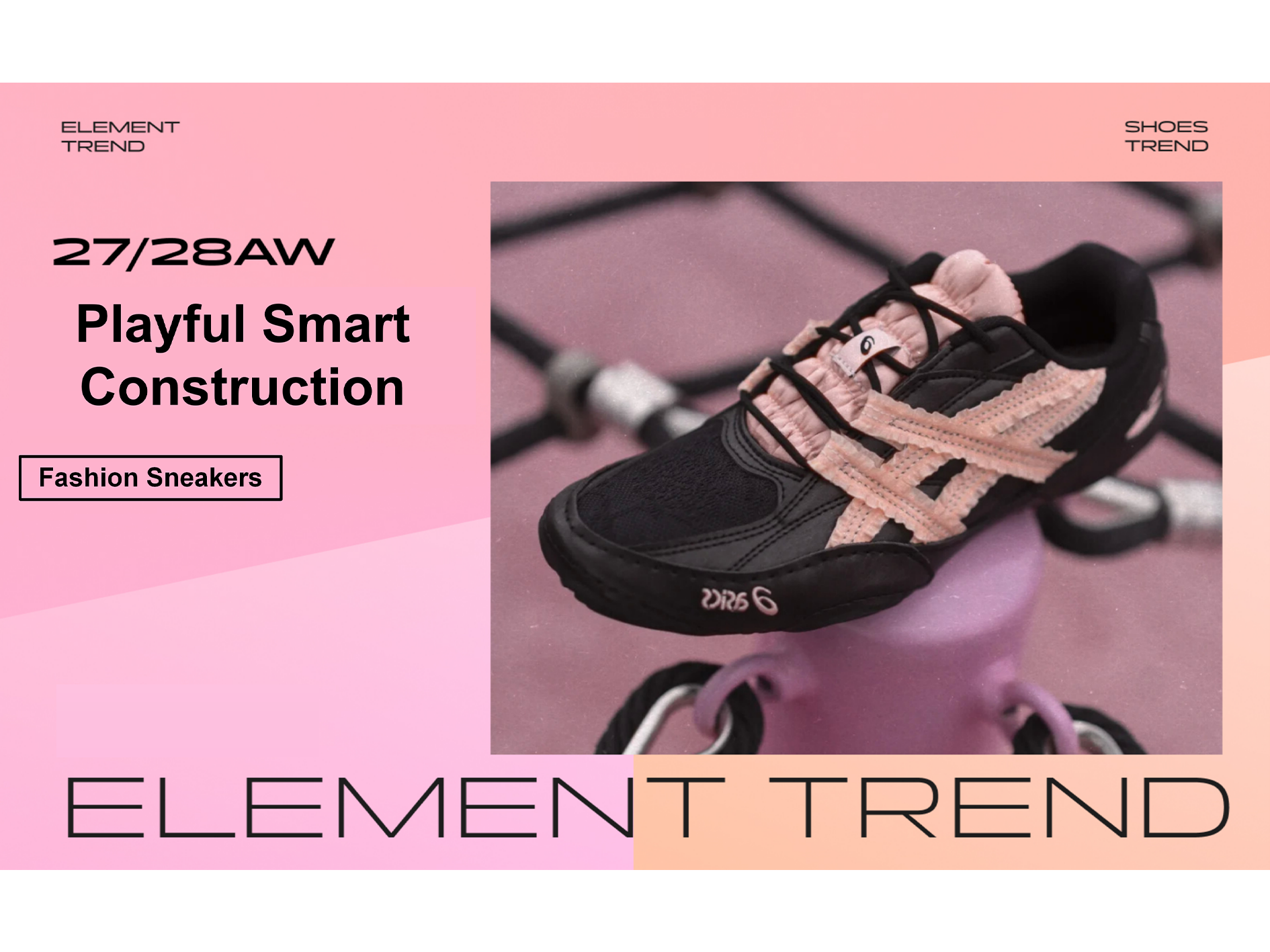
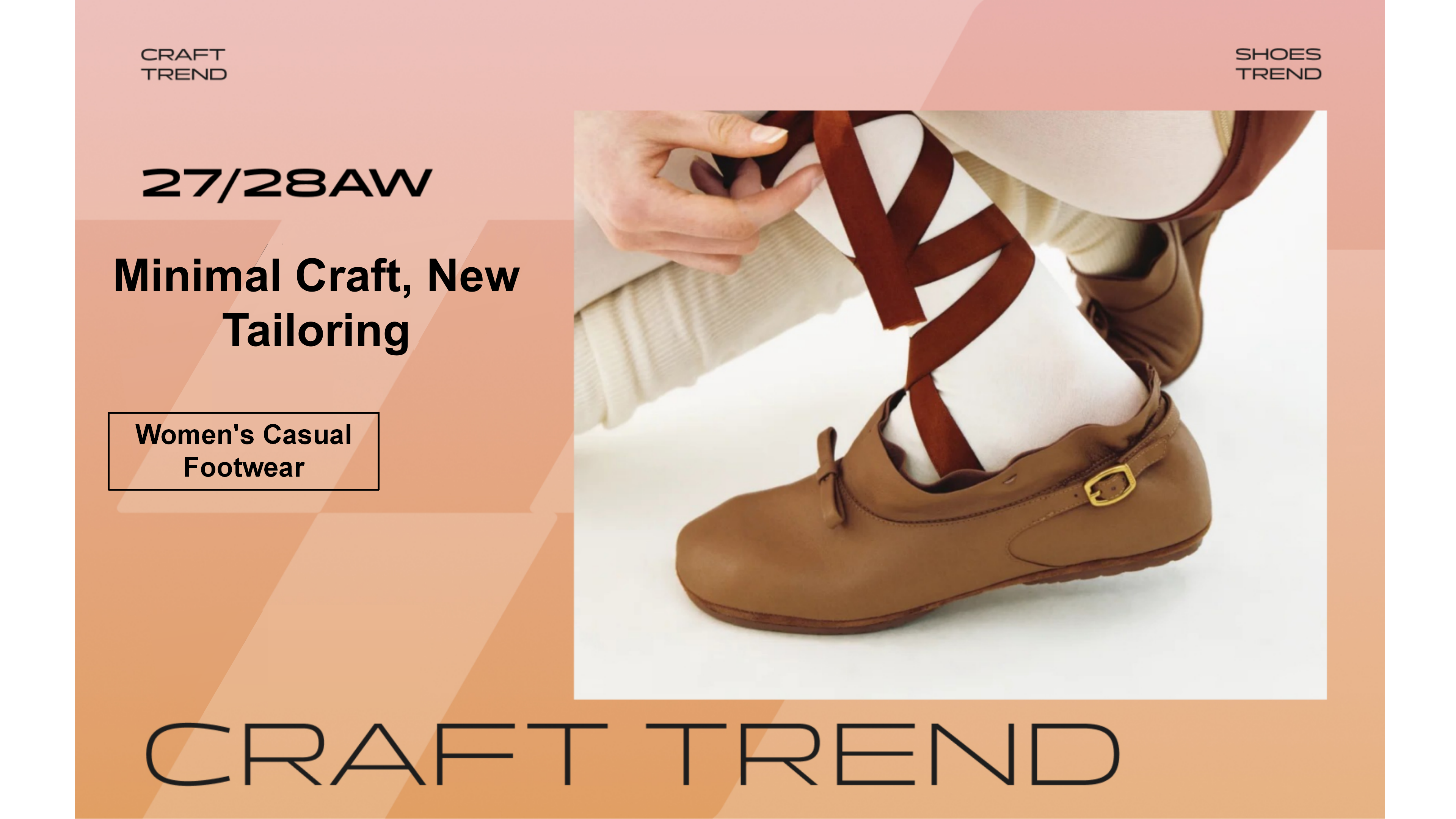
Fashion appearance iteration has become the primary competitive dimension of civilian footwear market. The current global consumer group, especially young consumers, takes footwear fashion sense as an important part of personal image expression. The product update cycle of the footwear industry has been shortened from the traditional quarterly update to monthly iterative update. Trend elements such as minimalist design, color contrast, and retro style have rapidly swept the global market. Different from the fixed style of big brand products, flexible small and medium-sized suppliers can quickly capture market trends, adjust product styles in a timely manner, and meet the personalized and diversified purchasing needs of global distributors.
Product quality and material upgrade are the foundation of long-term market reputation. Consumers in all regional markets have significantly improved their requirements for footwear comfort, durability and environmental protection. Traditional single synthetic materials are gradually replaced by lightweight, breathable and wear-resistant new composite materials. High-quality leather and eco-friendly synthetic materials have become the mainstream configuration of medium and high-end footwear products. Enterprises that adhere to excellent quality control can effectively reduce after-sales problems, form stable customer stickiness, and accumulate good global market reputation, which is the core advantage of sustainable operation in the industry.
Segmented customized products usher in explosive growth. With the development of social diversification, scenario-based footwear demand such as daily leisure, outdoor sports and daily commuting continues to be subdivided. Distributors in various regions no longer pursue universal single products, but focus on customized products matching local consumption habits. For footwear trading enterprises, flexible product customization capabilities, diversified product lines, and rapid response to market trends have become key competitive barriers. In the future, the market share of homogenized low-quality products will continue to shrink, and high-quality, fashionable and scenario-based customized products will occupy the mainstream of global market trade.